Introduction
Retirement can be a golden era of movement, learning, and community. For seniors who care about their health and the planet, zero‑waste motor skill therapy offers a way to stay active while minimising environmental impact. But the market is split between affordable, simple kits and premium, high‑performance systems. This article guides eco‑conscious retirees through a head‑to‑head comparison, explores real‑world examples, and gives you actionable steps to choose the right solution for you.
What Is Zero‑Waste Motor Skill Therapy?
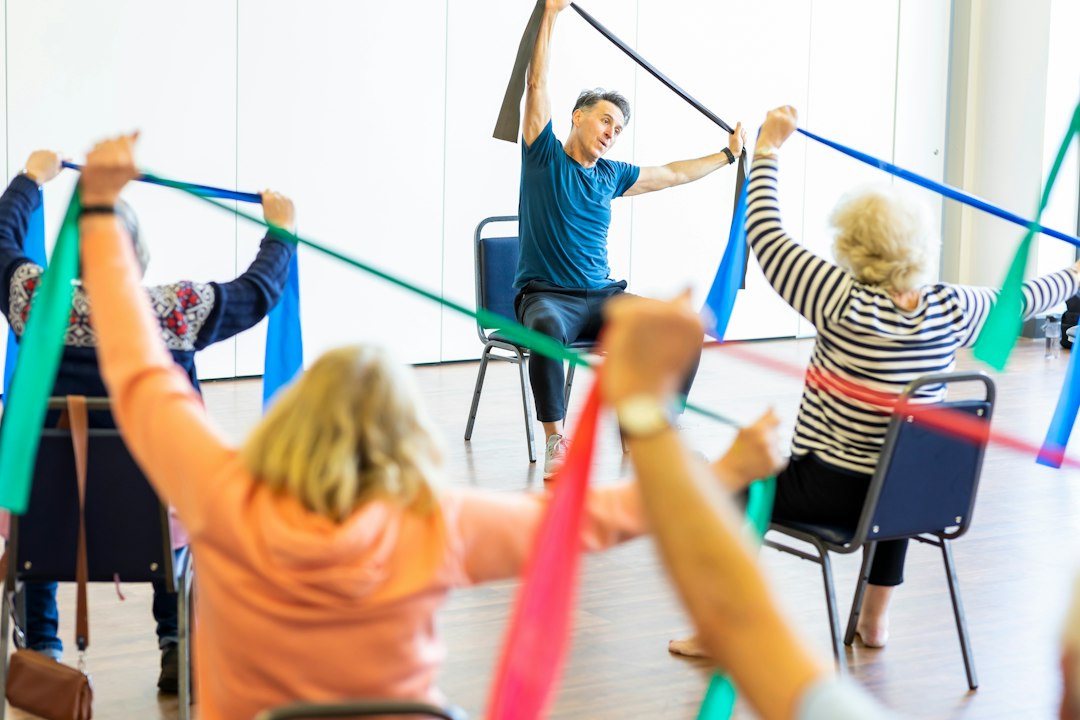
Zero‑waste therapy focuses on reducing disposables and single‑use items during rehabilitation or exercise. Instead of relying on plastic‑wrapped tools, it emphasizes reusable, recyclable, or biodegradable materials. For seniors, it often involves:
- Hand‑strengthening: resistance bands, weighted balls, and grip trainers.
- Balance and coordination: foam mats, balance boards, and proprioceptive discs.
- Flexibility and mobility: stretch straps, yoga blocks, and resistance tubes.
- Therapeutic aids: reusable cushion supports, silicone gel pads, and magnetic therapy bands.
All components should be easy to clean, ideally with a simple rinse or wipe‑down, and designed to last at least 12–18 months.
Budget Zero‑Waste Kits: Keep It Simple, Keep It Green
1. Materials and Cost
| Item | Typical Cost (CAD) | Material | Waste Impact |
|---|---|---|---|
| Heavy‑duty natural‑rubber resistance band | $12–$18 | Natural rubber, recycled polyester | Minimal – reusable, recyclable |
| Silicone hand grip trainer | $8–$12 | Silicone, recycled plastic | Reusable, washable |
| Reusable foam mat (55 × 35 cm) | $15–$22 | Closed‑cell foam, recyclable | Long‑lasting, washable |
| Eco‑friendly balance disc (30 cm) | $10–$15 | Recycled cork, polyester | Recyclable |
| Biodegradable stretch strap | $6–$10 | Natural jute + silicone | Compostable after use |
Total approximate kit price: $51–$77 CAD.
These kits use sustainably sourced materials, are lightweight, and can be shipped in recyclable boxes, reducing packaging waste.
2. Practical Example
Ellen, 72, lives in Ottawa and wants to stay independent. She purchased a budget kit from a local health‑supplies retailer that includes a rubber band, a silicone grip, and a foam mat. She uses the band for gentle ankle flexion exercises and the grip trainer for hand strength. After an entire season of use, she simply washes the items and stores them in a reusable bag, avoiding any disposables.
3. Actionable Steps
- Prioritise multi‑use items – look for equipment that can serve several functions (e.g., a resistance band can also be used for upper‑body stretches).
- Check for local suppliers – buying locally reduces transport emissions.
- Use washable cleaning solutions – avoid harsh chemicals that harm the environment.
- Track usage – set a maintenance schedule to replace worn items before they break, preventing waste.
Premium Zero‑Waste Systems: The High‑End Investment
1. Materials, Engineering, and Price Point
| Item | Typical Cost (CAD) | Material | Warranty | Waste Impact |
|---|---|---|---|---|
| Industrial‑grade natural‑rubber band with carbon‑fiber reinforcement | $45–$60 | Natural rubber, carbon‑fiber | 5‑year | Recyclable; minimal |
| Custom silicone grip with integrated magnetic therapy | $25–$35 | Medical‑grade silicone | 3‑year | Reusable, washable |
| High‑density closed‑cell foam mat (70 × 45 cm) | $40–$55 | Recycled polyurethane | 10‑year | Recyclable |
| Cork‑based balance disc with silicone rim | $35–$45 | Cork, silicone | 5‑year | Recyclable |
| Organic cotton stretch strap with reflective strip | $15–$20 | Organic cotton, recycled polyester | 2‑year | Compostable |
Total approximate kit price: $160–$215 CAD.
Premium systems incorporate advanced materials (carbon‑fiber, medical‑grade silicone) to enhance durability and performance. Warranties often extend up to 10 years, making the long‑term cost of replacement negligible.
2. Real‑World Example
Michael, 68, from Vancouver, invests in a premium kit to complement his physiotherapy sessions. He uses the carbon‑fiber band for dynamic balance drills, the magnetic grip trainer for wrist rehabilitation, and the high‑density mat for yoga. Because of the extended warranty, he never replaces any piece within five years, and the materials are fully recyclable at end‑of‑life.
3. Action Steps to Maximise Value
- Assess your therapy goals – premium equipment offers higher resistance and durability; choose if you need advanced training.
- Check for certifications – look for CSA (Canadian Standards Association) or ISO approvals to ensure product safety.
- Plan for long‑term maintenance – set reminders to clean and inspect equipment regularly.
- Leverage