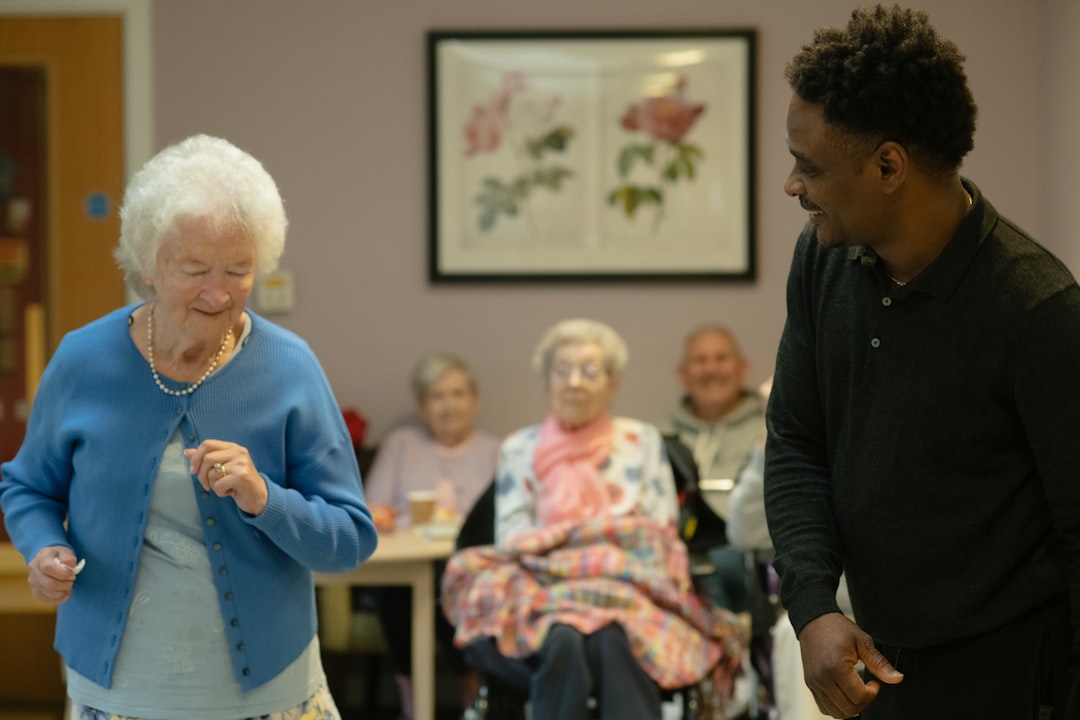
Zero‑waste senior motor skill therapy is more than a trend; it’s a holistic approach that blends physical rehabilitation with environmental stewardship. For retirees who value both mobility and the planet, choosing the right program can feel daunting. This guide walks you through the fundamentals, presents a set of criteria to evaluate each option, and offers a real‑world comparison of two Canadian programs. By the end, you’ll be equipped to make an informed, eco‑friendly decision that supports your health and the environment.
1. What Is Zero‑Waste Senior Motor Skill Therapy?
1.1 Core Concepts
- Zero‑waste philosophy: Aim to minimise waste across the therapy lifecycle—from equipment production to post‑session disposal.
- Motor skill focus: Target fine and gross motor functions essential for daily living, such as grasping, balance, and gait.
- Sustainable materials: Use recyclable or biodegradable equipment (e.g., bamboo balance beams, recycled‑plastic resistance bands).
- Digital integration: Leverage low‑energy mobile apps or web‑based platforms to reduce physical documentation.
1.2 Why It Matters for Eco‑Conscious Retirees
- Health benefits: Improved mobility, fall prevention, and independence.
- Environmental impact: Lower carbon footprint through reduced material usage and waste.
- Community influence: Demonstrates responsible living, inspiring peers and local healthcare providers.
2. Key Criteria to Evaluate When Exploring Zero‑Waste Senior Motor Skill Therapy
| Criterion | What to Look For | Why It Matters |
|---|---|---|
| Waste Reduction Metrics | Program provides annual waste‑generation data (kg of waste per patient) and reduction goals. | Quantifies environmental impact. |
| Equipment Lifecycle | Use of reusable, recyclable, or biodegradable tools; minimal single‑use items. | Ensures long‑term sustainability. |
| Pricing Transparency | Clear breakdown of fees (CAD$) per session, package discounts, and out‑of‑pocket costs. | Helps budget and compare options. |
| Regulatory Compliance | Certified by Canadian Standards Association (CSA) or similar bodies; adheres to Health Canada guidelines. | Guarantees safety and quality. |
| Accessibility & Location | Proximity to your residence, public transit options, and availability of virtual sessions. | Reduces travel emissions and improves convenience. |
| Therapist Credentials | Licensed physiotherapist or occupational therapist with specific training in geriatric care and sustainability. | Ensures expert guidance. |
| Outcome Tracking | Use of validated assessment tools (e.g., Timed Up & Go, Berg Balance Scale) and follow‑up metrics. | Measures effectiveness. |
2.1 Building a Personal Evaluation Checklist
- Define your goals – balance, strength, independence, or fall prevention?
- Set a budget – typical sessions range from CAD$75 to CAD$120 in Canada.
- Prioritise sustainability – how much waste reduction is non‑negotiable?
- Research certifications – confirm the provider meets CSA or local provincial standards.
- Request a trial – most programs offer a complimentary first session.
3. Real‑World Comparison: EcoFit Seniors vs. Green Mobility Therapy
| Feature | EcoFit Seniors (Ontario) | Green Mobility Therapy (British Columbia) |
|---|---|---|
| Program Length | 12‑week course, 1 session per week | 8‑week intensive, 2 sessions per week |
| Session Cost | CAD$85 per session | CAD$95 per session |
| Total Package Price | CAD$1,020 (incl. materials) | CAD$1,520 (incl. equipment) |
| Equipment Used | Bamboo balance beam, recycled‑plastic resistance bands | Recycled glass pendulums, biodegradable foam pads |
| Waste Reduction | 90% of materials recyclable; 5 kg waste per patient annually | 95% recyclable; 3 kg waste per patient annually |
| Therapist Credentials | Licensed PT (LPN‑PT) with 15 yrs experience | Licensed OT with gerontological focus |
| Location | Downtown Toronto (accessible via TTC) | Vancouver (accessible via TransLink) |
| Virtual Option | Yes, with low‑latency app | No virtual sessions |
| Outcome Measures | Timed Up & Go, 6‑Minute Walk Test | Berg Balance Scale, Functional Reach Test |
Analysis
- Cost‑effectiveness: