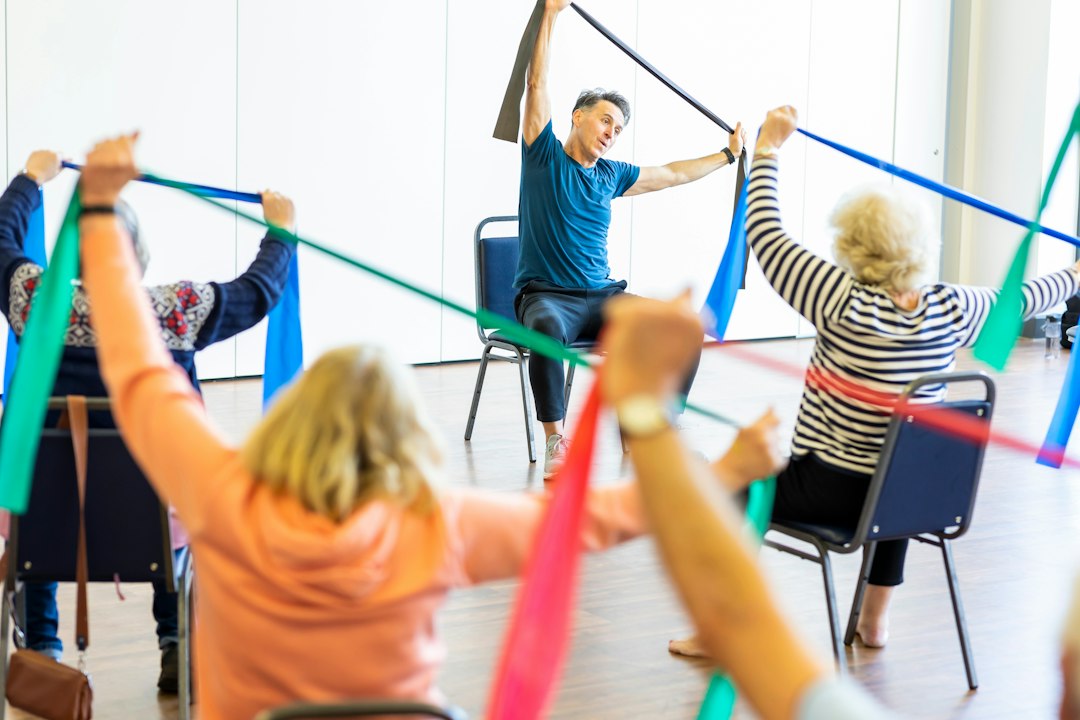
Introduction: Why Zero‑Waste Matters for Senior Motor Skill Therapy
When Canadians retire, many seek to stay active, maintain independence, and protect the planet. Motor skill therapy—exercises that improve balance, coordination, and fine motor control—is essential for seniors, yet the traditional approach relies heavily on disposable consumables, single‑use equipment, and frequent replacements. A zero‑waste model addresses both health and environmental goals by:
- Reducing landfill load and greenhouse‑gas emissions.
- Lowering long‑term costs for seniors on a fixed income.
- Encouraging community sharing and local sourcing of materials.
This guide walks eco‑conscious retirees through setting up, maintaining, and troubleshooting a zero‑waste motor skill therapy routine that aligns with Canadian regulations and metric standards.
1. Building a Zero‑Waste Therapy Station
1.1 Choosing the Right Space
- Location: A well‑ventilated, flat area in a home or community centre. A room with a door that opens wide enough for a wheelchair (minimum 914 mm clearance) ensures accessibility.
- Flooring: Use recycled rubber mats (150 mm thick) or bamboo flooring. Both are slip‑resistant and durable, meeting the Canadian Standards Association (CSA) safety codes for fall prevention.
1.2 Reusable Equipment Essentials
| Item | Typical Disposal Cost | Zero‑Waste Alternative | CAD Price | Metric Size |
|---|---|---|---|---|
| Balance Pad | $15 per pad | Recycled foam balance disc | $12 | 30 cm diameter |
| Resistance Bands | $8 per set | Silicone‑reinforced bands | $10 | 30 cm width |
| Hand Grippers | $12 each | Stainless‑steel grippers | $22 | 6 cm length |
| Chair for Strength | $120 | Reclaimed pine chair | $90 | 60 cm seat height |
| Foam Roller | $25 | Recycled rubber roller | $18 | 5 cm diameter |
Tip: Purchase locally from second‑hand stores or community swaps. Check the CSA 24.1.2 – “Reusable Equipment for Rehabilitation” for compliance.
1.3 Upcycling Household Items
- PVC Pipes: Create adjustable exercise frames that can be reconfigured for different movements.
- Old Tires: Slice and use as resistance loops for upper‑body strength training.
- Junk Mail Boxes: Convert into storage for therapy supplies, ensuring they’re sealed to prevent moisture damage.
2. Preventative Maintenance and Longevity Guide
2.1 Scheduled Inspection Routine
| Component | Frequency | Inspection Checklist | Action |
|---|---|---|---|
| Foam rollers | Weekly | Check for cracks, surface wear | Replace or patch |
| Resistance bands | Monthly | Look for fraying, elasticity loss | Tighten or replace |
| Reclaimed chair | Quarterly | Verify seat stability, leg joints | Tighten screws, add support |
| PVC frames | Semi‑annual | Inspect joints, corrosion | Re‑seal, lubricate |
Actionable Step: Create a maintenance calendar in a notebook or a simple spreadsheet. Tick off each item as you inspect.
2.2 Cleaning Protocols
- Foam and silicone: Use a mild soap solution (1 L water + 30 mL eco‑friendly detergent). Rinse with clean water, then air‑dry.
- Metal parts: Wipe with a mixture of vinegar and water (1 L water + 250 mL white vinegar) to remove rust, then dry thoroughly.
Avoid harsh chemicals that could damage the material or release toxins into the environment.
2.3 Storage Solutions
Store equipment in a dry, temperature‑controlled environment (15–20 °C). Use breathable fabric covers to keep dust off. Store PVC frames on a rack to avoid bending.
3. Troubleshooting & Problem Solving
3.1 Common Issues and Quick Fixes
| Problem | Likely Cause | Troubleshooting Steps |
|---|---|---|
| Resistance band loses tension | Age, heat exposure | Stretch gently, replace if frayed |
| Foam roller cracks | Over‑compression | Replace or patch with silicone adhesive |
| Chair wobbles | Loose screws | Tighten with